

 DE
DE

How to Wear a Scarf on a Desert Safari | Style & Protect
Planning a desert safari adventure? A scarf isn't just a fashion accessory—it's an essential piece of desert survival gear. Whether you're exploring the golden dunes of Dubai, riding camels in the Sahara, or embarking on a desert safari expedition, knowing how to properly wear a scarf can make the difference between comfort and misery in harsh desert conditions.
Why You Need a Scarf for Desert Safari Adventures
The desert environment presents unique challenges that a simple scarf can help you overcome. Desert temperatures can soar above 120°F (49°C) during the day while dropping dramatically at night. Add blowing sand, intense UV rays, and dry air, and you'll quickly understand why desert dwellers have relied on scarves for thousands of years.
A properly worn scarf protects you from sun exposure, prevents sand from entering your nose and mouth during desert winds, shields your neck from sunburn, and helps regulate body temperature by trapping moisture near your skin.
Choosing the Right Scarf for Your Desert Safari
Not all scarves are created equal when it comes to desert conditions. The best scarf materials for desert safaris include lightweight cotton, which breathes well and absorbs moisture; linen, which offers excellent breathability and quick-drying properties; and silk or silk blends, which provide sun protection while remaining surprisingly cool.
For optimal desert safari protection, choose a scarf that measures at least 40 inches by 40 inches. This generous size allows you to wrap it in multiple styles and provides maximum coverage. Light colors like white, beige, or light blue reflect sunlight and keep you cooler than dark colors, though many desert travelers also appreciate earth tones that hide dust.
The Traditional Bedouin Scarf Wrap (Shemagh Style)
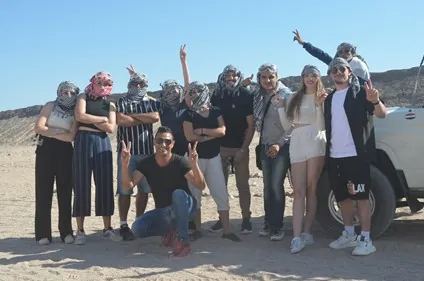
The shemagh is the classic desert scarf worn by Bedouins across the Middle East, and for good reason—it offers complete protection while remaining breathable.
Start by folding your square scarf diagonally to create a triangle. Place the folded edge across your forehead, with the point hanging down your back. Bring both ends of the scarf around your face, crossing them under your chin. Wrap the ends around your head, either tying them at the back or tucking them in securely. Adjust the fabric to cover your nose and mouth when needed, while keeping your eyes exposed for visibility.
This traditional style protects your entire head, face, and neck from sun and sand while allowing you to pull the scarf down when you want to breathe freely or take photos.
The Turban-Style Scarf Wrap for Maximum Coverage
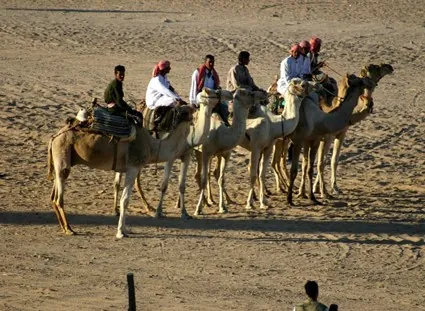
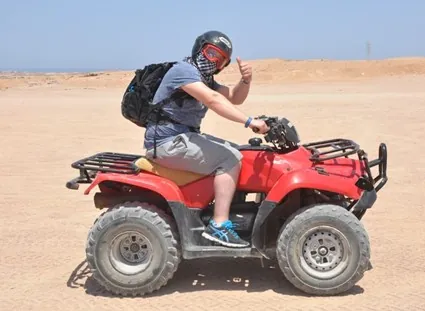
The turban wrap is perfect for those who want their scarf to stay secure during active desert activities like dune bashing or camel riding.
Begin with your scarf opened fully. Place the center of the scarf on top of your head, with equal lengths hanging on both sides. Cross the two ends at the nape of your neck and bring them forward over your shoulders. Wrap the ends around your head horizontally, creating layers as you go. Continue wrapping until you've used the entire length of the scarf, then tuck the ends securely into the wrapped layers.
This method keeps your scarf firmly in place even during bumpy rides and provides excellent sun protection for your scalp and ears.
The Simple Neck and Face Wrap
If you prefer minimal coverage but still want protection, the neck and face wrap offers a quick and effective solution.
Fold your scarf lengthwise to create a long band about 6-8 inches wide. Wrap it around your neck, bringing the ends to the front. Cross the ends and bring them up over your nose and mouth. Tie the ends behind your head at the base of your skull, or wrap them around once more and tie at the front for extra security.
This lightweight option is ideal for cooler desert mornings or evenings when you don't need full head coverage but want neck protection.
The Shoulder Drape Style for Transitional Times
During sunrise or sunset desert safaris when temperatures are more moderate, a shoulder drape provides elegant sun protection without overheating.
Simply drape your scarf over your head, allowing it to fall naturally over your shoulders. You can secure it by tucking the ends into your shirt or jacket, or pin it at your shoulder with a brooch or safety pin. This style offers easy adjustability—pull it up over your nose when sand blows, or let it hang loose when the air is calm.
The European Head Wrap for Desert Chic
This stylish option works particularly well with rectangular scarves and offers a fashionable take on desert protection.
Place the center of a long rectangular scarf at the nape of your neck. Bring both ends up over your head toward your forehead. Twist the ends together at your forehead, then wrap them around your head like a headband. Tuck the twisted ends into the wrap, or tie them at the nape of your neck for security.
This method keeps hair contained and protects your scalp while maintaining an elegant appearance for those desert safari photo opportunities.
Expert Tips for Wearing Your Scarf in Desert Conditions
Moisture is your friend in the desert. Before heading out on your safari, lightly dampen your scarf with water. As the water evaporates, it creates a cooling effect that can lower your body temperature by several degrees. Reapply water whenever possible throughout your desert adventure.
Always carry an extra scarf in your desert safari bag. If one becomes too dusty or dirty, you'll appreciate having a clean backup. Different times of day may also call for different styles or materials.
Practice your scarf wrapping techniques before your desert safari trip. Working with unfamiliar fabric in windy, dusty conditions isn't ideal for beginners. Spend time at home mastering at least two different wrapping styles so you can adapt to changing conditions.
Consider your scarf's multiple uses beyond wearing it. It can serve as an emergency tourniquet, a makeshift bag for collecting items, a towel for wiping your face, a filter for water in extreme situations, or a signal flag if you become separated from your group.
Color Psychology and Practical Considerations
While light-colored scarves reflect heat better than dark ones, consider the practical aspects of color choice. White scarves show every speck of dust and sand, requiring frequent washing. Cream, beige, tan, or khaki shades hide desert dust while still offering good heat reflection. Light blue or pale green scarves provide a pop of color while remaining cool and practical.
Avoid black or dark-colored scarves unless you're on an evening desert safari. Dark colors absorb heat and can become uncomfortably hot within minutes of sun exposure.
Caring for Your Desert Safari Scarf
After your desert adventure, your scarf will need proper care to remove embedded sand and dust. Shake out your scarf thoroughly outdoors before bringing it inside to prevent sand from spreading everywhere. For cotton and linen scarves, hand wash in cool water with mild detergent, as hot water can set stains from desert minerals.
Air dry your scarf completely before storing it to prevent mildew in any remaining moisture. For silk scarves, professional dry cleaning is often the safest option to maintain the fabric's integrity after harsh desert conditions.
Cultural Sensitivity When Wearing a Scarf in Desert Regions
When participating in desert safaris in countries like the United Arab Emirates, Saudi Arabia, Jordan, or Morocco, understanding the cultural significance of head scarves demonstrates respect for local traditions. While tourists aren't expected to dress exactly like locals, modest covering shows cultural awareness and appreciation.
The traditional scarf worn by Arab men is called a shemagh, keffiyeh, or ghutra depending on the region. Wearing one as a non-Arab visitor is generally welcomed as a sign of respect and practical wisdom, though it's always appropriate to ask your safari guide about cultural norms.
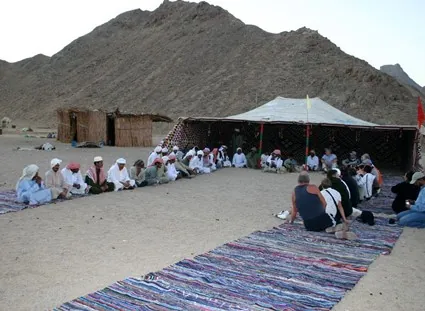
Women visitors should be particularly mindful of local customs. While full face covering typically isn't required for tourists, having a scarf that can quickly cover your head and shoulders when visiting Bedouin camps or traditional areas shows cultural sensitivity.
Scarf Styling for Desert Safari Photography
Your desert safari will provide incredible photo opportunities, and your scarf can enhance rather than hide your features in photographs. For portraits, position your scarf so it frames your face rather than obscuring it. A scarf wrapped loosely around your neck and draped over one shoulder creates dynamic lines in photos while showing your face clearly.
Action shots benefit from scarves that show movement. Allow loose ends to catch the wind during dune bashing or camel riding to convey motion and energy. The flowing fabric adds drama to photos of jumping or spinning on the dunes.
For sunset photos, backlit scarves create beautiful silhouettes. Position yourself with the setting sun behind you and allow your scarf to catch the golden light for stunning rim lighting effects.
Teaching Children to Wear Scarves on Desert Safaris
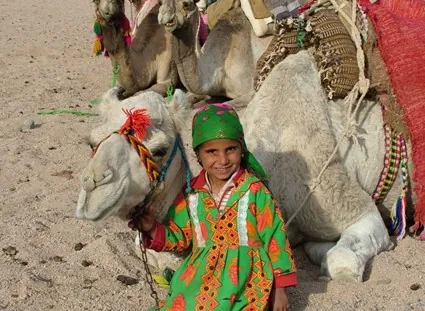
If you're bringing children on your desert safari adventure, teaching them to wear a scarf properly ensures their comfort and safety. Choose lightweight, breathable scarves in child-appropriate sizes—adult scarves are often too large and can become tangling hazards.
The simplest method for children is the basic triangle fold worn around the neck with the point hanging down the back. They can pull it up over their nose when needed without complicated wrapping. Make scarf-wearing fun by letting children choose their own colors or patterns, and practice together before the trip.
Always supervise young children wearing scarves to prevent any safety issues, and ensure the scarf is secure but not too tight around the neck.
Master the Scarf for Desert Safari Success
A scarf is your most versatile companion on any desert safari adventure. From protecting against harsh sun and blowing sand to adding cultural authenticity and photogenic flair to your experience, mastering scarf-wearing techniques transforms your desert journey from challenging to comfortable.
Whether you choose the traditional Bedouin wrap, the secure turban style, or a simple neck drape, the right scarf worn correctly makes all the difference between an uncomfortable ordeal and an unforgettable adventure. Invest in quality scarf materials, practice your wrapping techniques, and embrace this ancient desert wisdom that has protected travelers for millennia.
At AVA Safari, we prioritize both your comfort and your style. You don’t have to worry about the technicalities of desert gear; our experienced team will personally assist you in wearing your scarf correctly. Whether it's for maximum sun protection or that iconic safari look, we ensure it's secured perfectly for your adventure ahead.
Your desert safari awaits—now you're ready to face the dunes in comfort and style with your perfectly worn scarf as both shield and statement piece.
Frequently Asked Questions
What type of scarf is best for a desert safari? Lightweight cotton, linen, or silk scarves in light colors work best, with a minimum size of 40x40 inches for proper coverage and wrapping options.
Can I wear a regular fashion scarf in the desert? Fashion scarves can work if they're made from breathable natural fibers, but avoid synthetic materials that trap heat and don't absorb moisture.
How do I keep my scarf from blowing away in desert winds? Secure wrapping techniques like the turban or Bedouin style keep scarves in place, or use small safety pins to secure loose ends without damaging the fabric.
Should I wet my scarf before a desert safari? Yes, dampening your scarf before heading out creates evaporative cooling that can significantly lower your body temperature in extreme heat.
Is it culturally appropriate for tourists to wear traditional Arab scarves? Yes, wearing traditional desert scarves like the shemagh is generally welcomed as a practical choice and sign of respect for local customs and desert wisdom.




_31fc9_lg.webp)

_lg.webp)
_sm.webp)
_sm.webp)
_sm.webp)