

 DE
DE

5 Things We Can Learn from the Bedouin Lifestyle of the Eastern Desert
The Eastern Desert stretches between the Nile Valley and the Red Sea, a harsh yet hauntingly beautiful landscape where the Bedouin people have thrived for centuries. These nomadic communities have developed a way of life so perfectly adapted to their environment that modern society can learn invaluable lessons from their time-tested wisdom. As we navigate our fast-paced, technology-driven world, the Bedouin lifestyle offers profound insights into sustainable living, community values, and human resilience.
1. The Art of Living with Less: Minimalism Born from Necessity
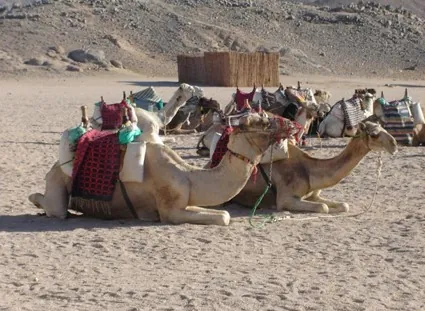
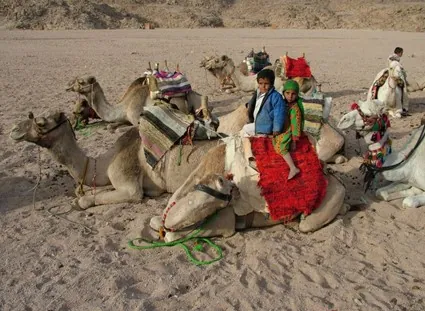
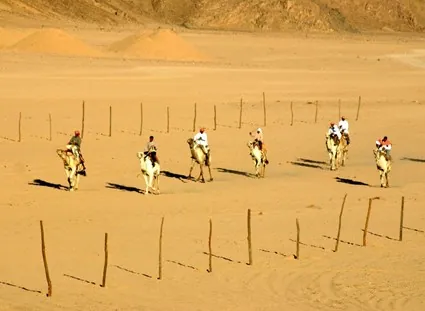
The Bedouin lifestyle exemplifies true minimalism, not as a trendy choice but as a fundamental way of life. In the vast expanse of the Eastern Desert, Bedouin families carry only what they need, moving with the seasons and available resources. Their traditional black goat-hair tents can be assembled and disassembled in hours, and their possessions fit onto a few camels.
This approach to material goods offers a powerful counterpoint to modern consumerism. The Bedouin demonstrate that happiness and fulfillment don't require accumulation. Instead, they find richness in relationships, experiences, and the freedom that comes from not being weighed down by excess possessions.
Modern Application: Consider conducting a regular inventory of your belongings. Ask yourself what truly adds value to your life. The Bedouin principle of "carry only what serves you" can transform how we approach purchasing decisions and help us focus on experiences over things.
2. Water is Sacred: Resource Conservation at Its Finest
In the arid Eastern Desert, where rainfall is scarce and temperatures soar, the Bedouin have developed an almost spiritual relationship with water. Every drop is precious, and nothing goes to waste. Traditional Bedouin knowledge includes locating underground water sources, collecting dew, and storing water in ways that minimize evaporation.
This reverence for water extends beyond mere survival. It teaches a broader principle: respect for natural resources and an understanding of our dependence on the environment. The Bedouin lifestyle shows us that scarcity breeds innovation and appreciation.
Modern Application: Even in areas where water flows freely from taps, we can adopt the Bedouin mindset. Simple practices like shorter showers, collecting rainwater for plants, and fixing leaks promptly honor this ancient wisdom. Understanding water as a precious resource rather than an unlimited commodity creates a more sustainable relationship with our environment.
3. Hospitality as a Sacred Duty: Building Strong Communities
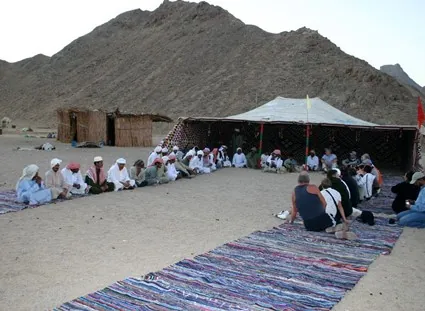
Perhaps no aspect of Bedouin culture is more renowned than their tradition of hospitality. In the Eastern Desert, where survival can depend on the kindness of strangers, welcoming travelers isn't just polite it's a sacred obligation. A Bedouin host will share their limited food and water with guests, often giving them the best of what they have, no questions asked.
This generosity creates powerful social bonds and a safety net that transcends individual families. The Bedouin understand that today's guest might be tomorrow's helper, and that community strength comes from mutual support.
Modern Application: In our often-isolated urban lives, we can revive the spirit of genuine hospitality. This doesn't mean elaborate dinner parties, but rather opening our homes and hearts to others. Checking on neighbors, sharing meals, and creating spaces where people feel genuinely welcome builds the community resilience that the Bedouin have long understood.
4. Reading Nature: Environmental Awareness and Adaptation
The Bedouin of the Eastern Desert possess encyclopedic knowledge of their environment. They can read weather patterns in cloud formations, find medicinal plants in seemingly barren terrain, and navigate by stars with precision that rivals GPS. This deep environmental literacy isn't academic—it's lived knowledge passed down through generations, refined through daily practice.
Their lifestyle demonstrates the importance of observation, patience, and learning from the land itself. The Bedouin don't fight against nature; they work with it, understanding seasonal patterns and adapting their movements accordingly.
Modern Application: While we may not need to navigate by stars, developing a deeper connection with our local environment enriches life significantly. Learning about local plants, weather patterns, and seasonal changes helps us feel more grounded. Growing even a small garden, observing local wildlife, or simply spending regular time outdoors reconnects us with the natural rhythms that the Bedouin lifestyle honors.
5. Oral Tradition and Storytelling: Preserving Wisdom Across Generations
In the Bedouin culture of the Eastern Desert, storytelling isn't entertainment it's education, history, and cultural preservation rolled into one. Around evening fires, elders share tales that contain practical knowledge about survival, moral lessons about community values, and historical narratives that maintain cultural identity.
This oral tradition creates deep intergenerational connections and ensures that wisdom isn't lost. Unlike written records that can be destroyed or forgotten, stories live in the collective memory, adapted and retold to remain relevant.
Modern Application: In our digital age, we're paradoxically losing the art of face-to-face storytelling despite having more ways to communicate than ever. We can learn from the Bedouin by creating regular opportunities for intergenerational exchange. Family dinners without devices, recording conversations with grandparents, and sharing our own stories with children preserve wisdom and strengthen family bonds in ways that social media posts never can.
Conclusion: Ancient Wisdom for Modern Challenges
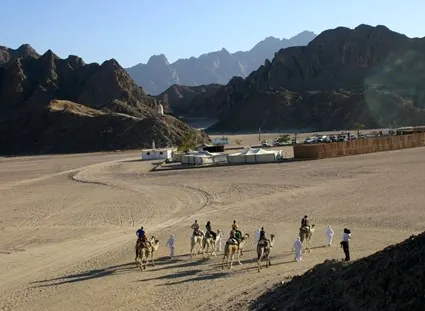
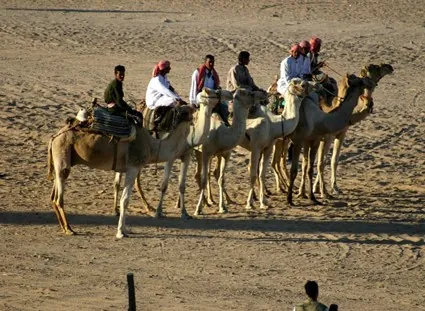
The Bedouin lifestyle of the Eastern Desert offers far more than romantic images of camel caravans and desert sunsets. It provides a blueprint for sustainable living, strong communities, and deep contentment that our modern world desperately needs. These nomadic people have solved problems of resource scarcity, social cohesion, and environmental adaptation through centuries of refinement.
We don't need to abandon modern comforts to benefit from Bedouin wisdom. Instead, we can thoughtfully integrate their principles minimalism, resource conservation, generous hospitality, environmental awareness, and storytelling into our daily lives. In doing so, we honor a remarkable culture while creating more meaningful, sustainable, and connected lives for ourselves.
The harsh beauty of the Eastern Desert has shaped a people whose lifestyle teaches us that less can be more, that generosity creates abundance, and that living in harmony with our environment isn't just possible it's the path to true prosperity.










_31fc9_lg.webp)

_lg.webp)
_sm.webp)
_sm.webp)
_sm.webp)